
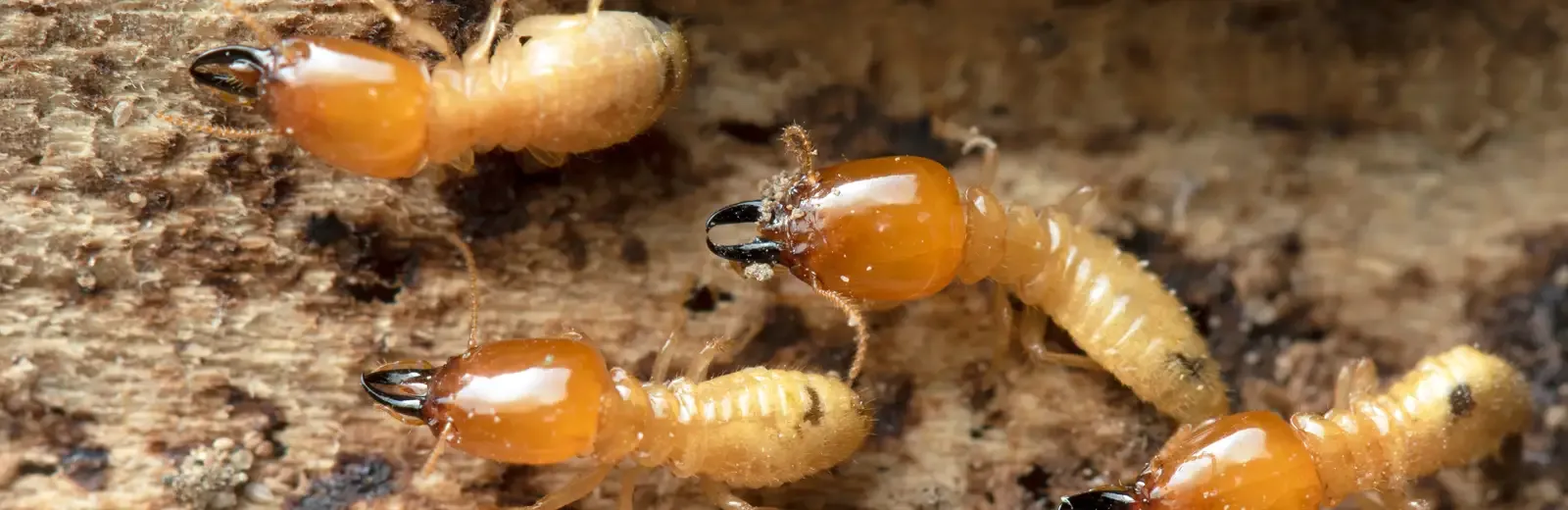
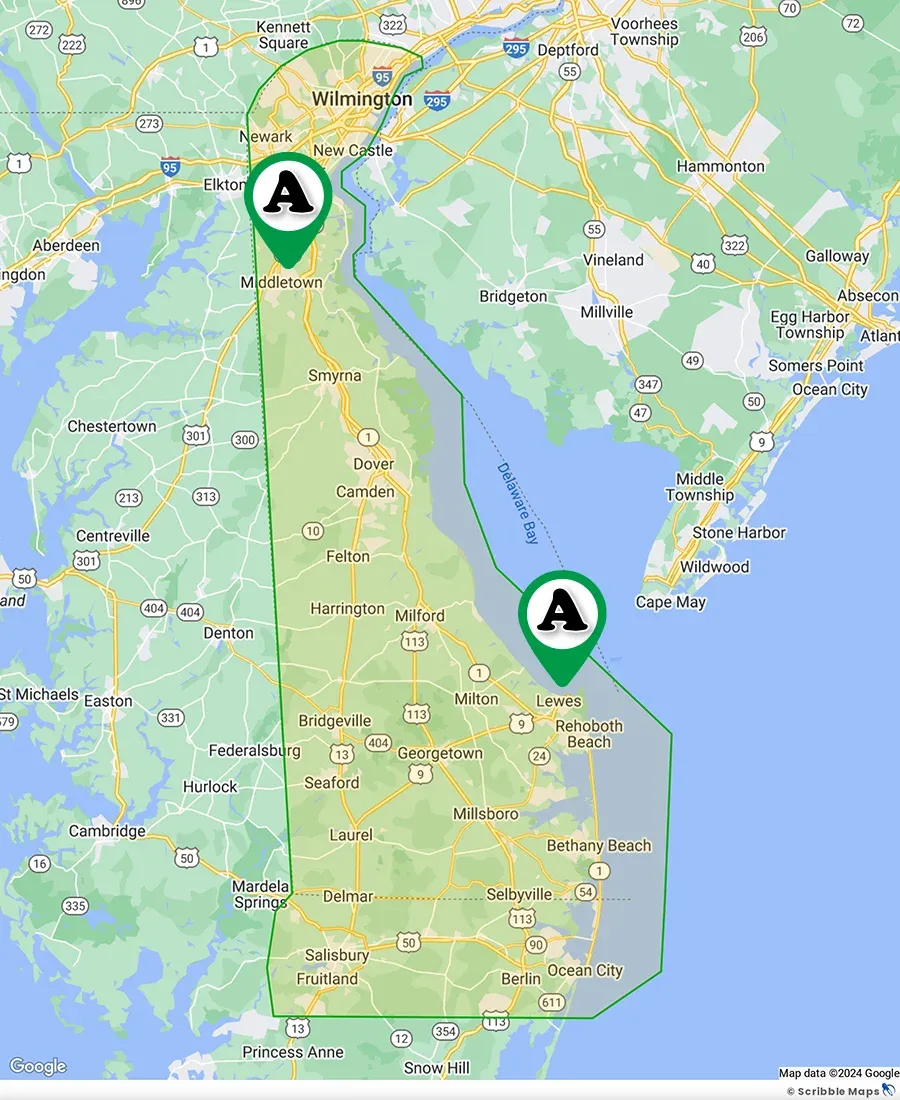
Termite Control in Lewes, DE
Your home is one of the biggest investments you'll ever make, and termites can chip away at that investment long before you even know they're there.
Most homeowners don't realize they have a termite problem until damage is already done. That's why a professional inspection is the smartest first move — and Activ Pest Solutions makes it easy to get started in Lewes.
Here's why homeowners in Lewes trust Activ Pest Solutions for termite control:
- Thorough inspections that cover all accessible areas of your home
- Termidor treatments — a non-repellent termiticide that spreads through the colony and eliminates it fast
- Long-term protection that can last 8 to 12 years or more
- Ongoing monitoring and prevention after treatment
- State-certified technicians with Termidor Certified Professional credentials
- Termite warranty programs for continued peace of mind
Activ Pest Solutions has been protecting homes in Lewes for 26 years. Reach out today to schedule your inspection and keep your home protected for years to come.

Termite Control Services in Lewes
Termite Inspection, Treatment, and Prevention – Our Process
Termites cause over $5 billion in structural damage across North America every year, and most homeowners don't know they have an infestation until the damage is already done. In Lewes, Activ Pest Solutions takes a thorough, proven approach to termite control that protects your home from the ground up — not just on the surface.
Why Homeowners Trust Activ Pest Solutions for Professional Termite Extermination and Protection
Not every termite company delivers the same level of service. Activ Pest Solutions uses Termidor, one of the most effective non-repellent termiticides available, applied by state-certified Termidor Certified Professionals credentialed directly through BASF. That means every treatment is completed to the fullest extent permitted by the product label — no shortcuts, no partial applications. The result is a continuous chemical barrier that termites can't detect, can't avoid, and can't survive. Through Termidor's transfer effect, termites carry the product back to the colony, reaching deep into the population and ultimately eliminating it at the source, including the queen.
A Step-by-Step Termite Treatment Process Built Around Your Home
Here's exactly what you can expect when you work with Activ Pest Solutions:
- A thorough on-site termite inspection covering all accessible and visible areas of your home to detect active termite activity, identify structural risk conditions, and gather the data needed to build an effective treatment plan
- A targeted trench and drill application around your home's foundation perimeter, ensuring the termiticide saturates the surrounding soil and creates a complete, unbroken barrier
- Full Termidor termiticide application by a state-certified technician, performed to the most comprehensive standard allowed by the product label
- Activation of Termidor's transfer effect, where termites that contact the treated zone unknowingly carry the product back to the colony through grooming and food-sharing behaviors
- Colony-level elimination as the termiticide spreads through the entire termite population, including reproductives and the queen
- Ongoing termite monitoring, control, and prevention services to maintain long-term protection and catch any new activity before it becomes a costly problem
Warning Signs Delaware Homeowners Should Never Ignore
Termites are active long before most homeowners ever notice them. By the time visible damage shows up, the colony has often been working through your home's structural wood for months—sometimes longer. In our area, Eastern subterranean termites are the primary threat, and they tend to swarm in spring when temperatures warm and moisture levels rise. Older homes with wood-heavy construction and basement moisture issues are especially vulnerable.
Here are the most common signs that termites may already be active in or around your home:
- Discarded wings near windowsills, doorframes, or light fixtures—a sign that swarmers have entered your home
- Mud tubes along your foundation, basement walls, or crawl space framing, which subterranean termites use to travel between soil and wood
- Wood that sounds hollow when tapped, or feels soft and gives slightly under pressure
- Bubbling or uneven paint on walls that resembles water damage, even without a moisture source
- Small piles of frass—a dry, pellet-like material—near baseboards, windowsills, or wooden furniture
- Doors or windows that suddenly stick or no longer close properly due to warped wood in the frame
- Visible termite activity in outdoor woodpiles, tree stumps, or wooden fencing close to the home's foundation
Most of these signs are easy to miss without knowing what to look for—and that's exactly why so much structural damage goes undetected until it's already expensive. A trained eye makes all the difference, especially in older homes where wood, moisture, and soil all meet in ways that are practically an open invitation for termite activity. Knowing what's happening inside your walls is the first step—and the right treatment approach can stop the damage before it goes any further.
Frequently Asked Questions
Do I need to have my home inspected regularly for termites?
Yes, regular inspections are crucial, especially if you live in an area with a high risk of termite activity. Annual inspections can help identify potential problems early and prevent extensive damage. Termite problems are often hidden from view, so professional inspections are the best way to spot an issue before it becomes severe.
How can I prevent termites from entering my home?
Here are a few preventive measures:
- Keep wood away from your foundation—don’t store firewood, mulch, or wood debris close to your house.
- Seal cracks and gaps in your foundation and around windows, doors, and pipes.
- Repair leaks promptly to reduce moisture in areas like basements and crawl spaces.
- Consider a termite barrier or treatment for additional protection, especially if you live in an area prone to termites.
How do termites enter my home?
Termites enter your home through small cracks or gaps in your foundation, walls, or around pipes and electrical lines. They can also find their way in through wood-to-ground contact or overexposed, untreated areas like wooden decks, fences, or firewood piles.
How long does it take termites to cause damage?
Termites can begin to cause significant damage surprisingly quickly. The exact timeframe depends on factors like the size of the infestation and the type of termites, but in general:
- Subterranean termites (the most common type) can cause visible damage in as little as 3 to 6 months in a heavily infested area. These termites typically start in hidden areas and work their way into the wood of your home, eating it from the inside out.
- Drywood termites may take several years to cause noticeable damage, as they usually infest smaller areas of wood and are more difficult to detect early on.
In the early stages of an infestation, termites often cause little visible damage. The wood they eat from the inside may look normal on the outside, making it easy for homeowners to miss the signs. However, as they continue to feed, structural damage can escalate quickly, compromising the integrity of your home’s framework. It’s crucial to address any signs of termites early, as even a small infestation can lead to significant damage if left untreated. Regular inspections can help catch potential problems before they become costly.
What are the most common types of termites?
There are three primary types of termites that can infest homes and properties: Subterranean, Drywood, and Formosan termites. Each type behaves differently, has unique characteristics, and requires different approaches to control and treatment. Subterranean termites are the most destructive and widespread type of termites in the United States!
What happens if I don’t treat a termite infestation?
If left untreated, termites can cause significant structural damage that could lead to expensive repairs. Over time, termites can weaken beams, flooring, and even the foundation of your home. Early intervention is key to preventing costly damage.
How can I tell if it’s a carpenter ant or a termite?
- Body Shape: Termites have broad, straight bodies with no defined waist; carpenter ants have a narrow, pinched waist.
- Antennae: Termites have straight antennae; carpenter ants have bent (“elbowed”) antennae.
- Color: Termites are pale or light-colored; carpenter ants are dark brown, black, or reddish.
- Wood Damage: Termites eat wood, leaving rough, mud-lined tunnels and mud tubes; carpenter ants tunnel into wood, leaving smooth galleries and piles of sawdust.
- Wings: Termite wings are equal in length and longer than their bodies; carpenter ants have larger front wings and smaller hind wings.
Still unsure? Both Carpenter ants and Termites are dangerous wood-destroying insects!
Please call us as soon as possible to schedule an inspection.